
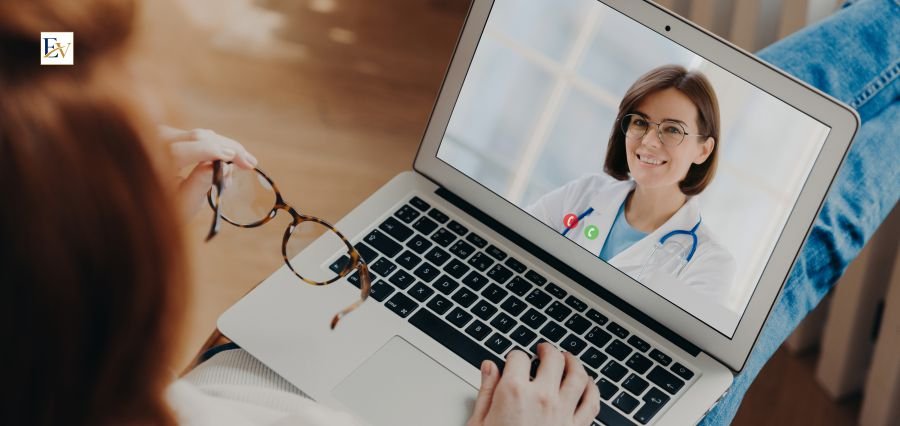
Healthcare delivery has evolved far beyond the walls of hospitals and clinics. Advances in digital technology, connected medical devices, and secure communication platforms have made it possible for healthcare providers to monitor, consult, and support patients regardless of their location. As a result, remote patient care solutions have become an essential component of modern healthcare systems, helping improve access to care while reducing unnecessary hospital visits.
The growing demand for convenient healthcare, an aging population, and the increasing prevalence of chronic diseases have accelerated the adoption of remote care technologies. From virtual consultations to wearable health monitors, these innovations allow physicians to make informed clinical decisions while enabling patients to take a more active role in managing their health.
Why Remote Patient Care Is Becoming a Healthcare Priority
Healthcare providers today face numerous challenges, including rising patient volumes, workforce shortages, and increasing treatment costs. At the same time, patients expect greater convenience, faster access to medical professionals, and personalized treatment experiences.
This shift has encouraged hospitals, clinics, and healthcare organizations to invest in remote patient care solutions that bridge the gap between providers and patients. These technologies improve communication, enable continuous monitoring, and allow healthcare professionals to intervene before minor health concerns develop into serious medical emergencies.
When implemented effectively, remote care supports better health outcomes while improving operational efficiency across healthcare organizations.
10 Remote Patient Care Solutions Improving Healthcare Delivery
1. Telemedicine Platforms
Telemedicine has become one of the most widely adopted remote healthcare technologies. Video consultations allow physicians to diagnose common illnesses, discuss treatment plans, prescribe medications, and conduct follow-up appointments without requiring patients to travel.
Virtual consultations are particularly valuable for patients living in rural areas or individuals with limited mobility, making healthcare more accessible and convenient.
2. Remote Patient Monitoring Devices
Remote patient monitoring (RPM) uses connected medical devices that transmit health information directly to healthcare providers. These devices measure important indicators such as blood pressure, blood glucose, heart rate, oxygen saturation, and body temperature.
Continuous monitoring allows clinicians to identify abnormalities early, reducing the likelihood of complications and hospital admissions.
3. Wearable Health Technology
Wearable devices have expanded beyond fitness tracking to become valuable medical tools. Smartwatches and medical-grade wearables can monitor heart rhythms, detect irregular heartbeats, track physical activity, and measure sleep quality.
Healthcare professionals can use this data to evaluate long-term patient health and identify patterns that require medical attention.
4. Mobile Healthcare Applications
Healthcare apps enable patients to schedule appointments, review medical records, receive medication reminders, communicate with physicians, and track health goals from their smartphones.
These applications encourage patient engagement while helping individuals better manage chronic conditions such as diabetes, hypertension, and asthma.
5. AI-Assisted Clinical Decision Support
Artificial intelligence supports healthcare professionals by analyzing patient data, identifying potential health risks, and recommending clinical actions based on established medical guidelines.
AI-assisted tools support clinical decision-making by highlighting patterns that may be overlooked, while physicians remain responsible for determining the final course of treatment.
6. Digital Medication Management Systems
Medication adherence remains one of the biggest challenges in chronic disease management. Digital medication systems send automated reminders, track prescription schedules, and notify caregivers when doses are missed.
Improved adherence contributes to better treatment outcomes while reducing avoidable hospital readmissions.
7. Secure Patient Communication Portals
Modern healthcare increasingly depends on secure communication between patients and medical teams. Patient portals allow individuals to send messages, request prescription refills, review laboratory results, and receive treatment instructions through encrypted platforms.
These systems improve communication while protecting sensitive medical information.
8. Home Diagnostic Devices
Medical technology has advanced to the point where many diagnostic tests can now be performed at home. Connected blood pressure monitors, digital thermometers, glucose meters, pulse oximeters, and ECG devices provide accurate data that healthcare providers can review remotely.
These tools reduce unnecessary clinic visits while supporting proactive disease management.
9. Virtual Rehabilitation Programs
Patients recovering from surgery, injuries, or neurological conditions increasingly benefit from virtual rehabilitation services. Therapists can conduct guided exercise sessions, evaluate patient progress, and adjust rehabilitation programs using video conferencing and digital assessment tools.
Virtual rehabilitation also increases patient participation by allowing therapy sessions to take place in familiar home environments.
10. Integrated Care Coordination Platforms
Healthcare often involves multiple specialists, nurses, pharmacists, and caregivers. Integrated care coordination platforms centralize patient information, making it easier for different providers to collaborate effectively.
These systems improve continuity of care, reduce duplicate testing, and ensure every healthcare professional has access to updated patient records.
Benefits of Remote Patient Care Solutions
Healthcare organizations adopting remote patient care solutions experience improvements across multiple areas of patient care and operational performance.
Patients benefit from greater convenience, shorter waiting times, and easier access to specialists without extensive travel. Continuous monitoring enables early intervention, helping prevent complications before they require emergency treatment.
Healthcare providers gain better visibility into patient health between appointments, allowing more informed clinical decisions. Automated data collection also reduces administrative workloads and improves resource allocation.
Additionally, hospitals can optimize bed availability by supporting stable patients from their homes while maintaining ongoing clinical oversight.
Challenges in Remote Healthcare Implementation
Despite its advantages, remote healthcare also presents several implementation challenges.
Reliable internet connectivity remains essential for virtual consultations and real-time monitoring. Patients living in underserved regions may experience connectivity limitations that affect service quality.
Data privacy and cybersecurity require continuous attention. Healthcare organizations must protect patient information through encryption, secure authentication, and compliance with healthcare privacy regulations.
Technology adoption can also be difficult for elderly patients or individuals unfamiliar with digital devices. User-friendly platforms, caregiver support, and patient education are important for successful implementation.
Healthcare providers must also integrate remote care technologies with existing electronic health record systems to maintain seamless clinical workflows.
The Future of Remote Patient Care
Healthcare is steadily moving toward more connected, preventive, and personalized care models. Advances in wearable technology, predictive analytics, remote diagnostics, and intelligent automation will continue expanding the capabilities of remote patient care solutions.
Future healthcare systems are expected to deliver continuous monitoring, earlier disease detection, personalized treatment recommendations, and stronger collaboration between patients and healthcare professionals.
Rather than replacing traditional healthcare, remote care will complement in-person services by providing greater flexibility, improving access, and supporting long-term disease management. Organizations that embrace these innovations will be better positioned to deliver efficient, patient-centered healthcare while meeting the evolving expectations of both providers and patients.
Conclusion
The healthcare industry is undergoing a significant transformation driven by digital innovation and changing patient expectations. Remote patient care solutions are enabling healthcare providers to extend quality care beyond clinical settings while improving accessibility, efficiency, and patient engagement.
From telemedicine and wearable devices to remote monitoring and integrated care platforms, these technologies are reshaping healthcare delivery in meaningful ways. As digital health continues to evolve, healthcare organizations that invest in secure, scalable, and patient-focused remote care strategies will be well prepared to improve clinical outcomes and deliver higher-quality healthcare in the years ahead.
Frequently Asked Questions
1. What are remote patient care solutions?
Remote patient care solutions are digital technologies and healthcare services that allow medical professionals to monitor, consult, diagnose, and support patients without requiring them to visit healthcare facilities in person.
2. What are the main benefits of remote patient care?
Key benefits include improved healthcare access, reduced hospital visits, continuous patient monitoring, better chronic disease management, lower healthcare costs, and increased patient convenience.
3. Which medical conditions are best suited for remote monitoring?
Conditions such as diabetes, hypertension, heart disease, chronic respiratory illnesses, post-surgical recovery, and certain mental health conditions are commonly managed through remote monitoring.
4. Are remote patient care systems secure?
Most modern remote healthcare platforms use encryption, secure authentication, and regulatory compliance standards to protect patient information and maintain data privacy.
5. Will remote healthcare replace traditional hospital visits?
No. Remote healthcare complements traditional medical services by supporting routine monitoring, follow-up consultations, and preventive care, while in-person visits remain essential for physical examinations, emergency treatment, surgeries, and complex medical procedures.