
Image SOurce: cnbc.com
The European auto industry is entering a period of significant transformation as established manufacturers confront changing consumer preferences, the rapid expansion of electric vehicles, rising production costs, and stronger competition from Chinese automakers. The shift is creating pressure across established automotive groups and encouraging manufacturers to reconsider brand portfolios, production networks, technology investments, and long-term strategies.
For decades, European manufacturers built their strength around engineering expertise, established brands, extensive dealer networks, and a deep manufacturing base. Those advantages remain important, but the economics of vehicle production are changing. Battery technology, software, digital features, manufacturing efficiency, and competitive pricing now play a much larger role in determining how automakers position themselves in global markets.
Recent developments surrounding major European automotive groups illustrate how quickly those priorities are changing. Volkswagen, for example, is reorganising its brand structure and seeking greater efficiency across its operations. Its Brand Group Core has identified potential production savings of €1 billion through 2030, while the company continues to manage significant competitive pressure in Europe.
European Auto Industry Adjusts to Intensifying Competition
The competitive landscape has become increasingly complicated because manufacturers are no longer competing only on traditional vehicle characteristics. Consumers are also evaluating charging capability, software integration, connectivity, driver-assistance systems, battery range, digital interfaces, and overall ownership costs.
Chinese manufacturers have developed significant capabilities in several of these areas, particularly electric vehicles and battery-related technologies. Their growing presence in international markets is changing the competitive equation for established manufacturers.
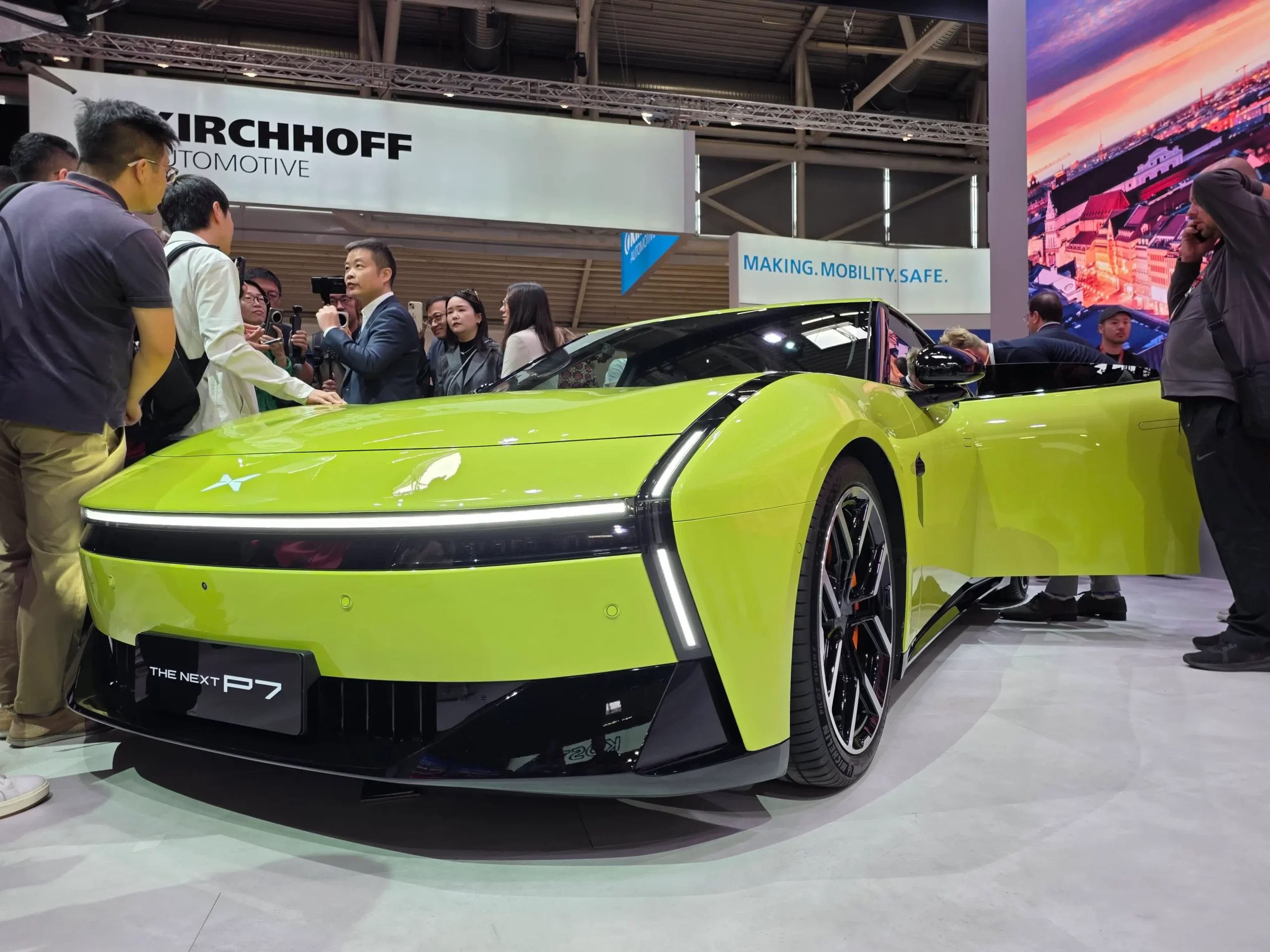
Chinese brands represented around 9% of EU car sales during the first half of 2026, according to recent industry reporting, highlighting the growing presence of manufacturers from China in a market historically dominated by European companies.
This expansion does not necessarily mean that established European brands will disappear. Instead, it creates pressure for them to adapt their products and cost structures while preserving the characteristics that differentiate their brands.
The Electric Vehicle Transition Changes the Business Model
The transition toward electric vehicles is one of the most important forces reshaping the European auto industry.
Electric vehicles require different manufacturing processes, component supply chains, software capabilities, and investment priorities compared with conventional combustion-engine vehicles. Batteries represent a particularly important component of the cost structure, while software has become increasingly central to vehicle functionality.
European manufacturers have therefore been required to invest heavily while simultaneously managing existing combustion-engine businesses. Maintaining two technology platforms during the transition can increase complexity and capital requirements.
The challenge is particularly significant for brands positioned in the mass-market segment. These manufacturers need to offer competitively priced electric vehicles while generating sufficient returns to support continued investment.
This has made platform sharing and greater cooperation between brands increasingly important. Common architectures can reduce development costs and allow manufacturers to spread investments across larger vehicle volumes.
Brand Portfolios Are Coming Under Greater Scrutiny
Another important development is the reassessment of automotive brand portfolios.
Large automotive groups often operate several brands targeting overlapping customer segments. While this approach can provide consumers with greater choice, it can also create internal competition and increase development, marketing, manufacturing, and distribution costs.
Volkswagen’s current restructuring illustrates this issue. The group has been evaluating how its different brands should contribute to future growth while improving efficiency across its operations. Within its SEAT and CUPRA business, the first half of 2026 produced an operating result of €122 million, while CUPRA delivered record first-half vehicle sales of 170,100 units.
SEAT’s longer-term future remains under evaluation beyond its current product cycle, with different scenarios being considered for the period after 2030.
Such decisions demonstrate how automotive groups are increasingly assessing brands according to their future strategic role rather than historical importance alone.
Manufacturing Efficiency Becomes a Strategic Priority
The economics of manufacturing are becoming just as important as product development.
European factories face relatively high labour, energy, regulatory, and operating costs. At the same time, manufacturers are dealing with fluctuating demand and the need to invest in new technologies.
This combination creates pressure to improve factory utilisation and reduce production complexity.
Automakers are increasingly looking at common platforms, fewer vehicle variants, regional production strategies, automation, and supply-chain optimisation. Some manufacturers are also reconsidering the number and location of factories they operate.
These changes could reshape Europe’s automotive manufacturing footprint over the coming years. Underutilised production capacity may become more difficult to justify, particularly when manufacturers must invest heavily in electric-vehicle facilities and battery supply chains.
Chinese Competition Is Changing European Strategy
The growth of Chinese automakers is not simply a pricing story. It also reflects the development of an increasingly sophisticated automotive ecosystem.
China has built substantial capacity in batteries, electric drivetrains, electronics, and vehicle software. Its domestic automotive market has also provided manufacturers with a large environment in which to develop and test new technologies.
Chinese manufacturers are now expanding their presence outside the domestic market. Some are exporting vehicles directly, while others are exploring local manufacturing, partnerships, and other forms of European market entry.
This development creates both competition and potential cooperation. European companies may find opportunities to work with Chinese technology and manufacturing partners while simultaneously competing against their products.
The resulting relationship is therefore more complex than a simple contest between two regions.
Consumer Expectations Are Evolving
The transformation of the European auto industry is also being driven by changes in consumer expectations.
Vehicle buyers increasingly expect technology to be integrated into the ownership experience. Features such as over-the-air software updates, advanced connectivity, digital services, intelligent driver assistance, and efficient electric powertrains are becoming increasingly relevant to purchasing decisions.
At the same time, affordability remains important.
Manufacturers therefore face a difficult balancing act. They need to introduce sophisticated technology without allowing vehicle prices to move beyond what mainstream consumers are prepared to pay.
This creates an advantage for companies capable of controlling technology costs and scaling production efficiently.
The Road Ahead for European Automakers
The next phase of competition is likely to involve more than individual vehicle launches. It will involve decisions about technology, manufacturing, brands, supply chains, partnerships, and capital allocation.
European manufacturers retain substantial assets, including recognised brands, engineering capabilities, established distribution networks, and extensive manufacturing experience. However, the competitive environment is changing quickly, requiring those strengths to be combined with new capabilities in electrification, software, batteries, and cost management.
For companies across the sector, flexibility may become increasingly important. Product strategies that worked during the combustion-engine era cannot automatically be carried into an industry where software, batteries, digital services, and production efficiency have become central to competitiveness.
The evolution of the European auto industry will therefore depend on how effectively established manufacturers adapt their business models while preserving the brand value and technical expertise built over decades. The emergence of new competitors is reshaping the market, but it is also accelerating innovation and forcing the industry to reconsider how vehicles are designed, manufactured, priced, and sold. The coming years are likely to bring further restructuring as manufacturers seek sustainable positions within an increasingly technology-driven global automotive market.