Image Source: https://www.understood.org
Education is most effective when it recognizes that every student learns differently. Learners have unique strengths, interests, abilities, and learning styles, making a one-size-fits-all approach less effective in today’s diverse classrooms. As educational institutions strive to improve student achievement and engagement, personalized learning has emerged as a powerful strategy for meeting individual learning needs while promoting academic success.
Personalized learning for better outcomes focuses on adapting teaching methods, learning experiences, and assessments to support each student’s progress. Instead of expecting every learner to follow the same pace and pathway, personalized learning provides flexibility, allowing students to develop knowledge and skills in ways that align with their individual needs.
By combining student-centered instruction, technology, continuous assessment, and collaborative learning, educators can create meaningful educational experiences that improve motivation, confidence, and long-term learning outcomes.
Understanding Personalized Learning
Personalized learning is an educational approach that tailors instruction to meet the unique needs of individual students. It considers factors such as learning pace, interests, prior knowledge, strengths, and areas that require additional support.
Unlike traditional teaching methods that deliver identical instruction to every student, personalized learning encourages flexibility while maintaining common academic goals. Teachers guide students through learning experiences that are appropriate for their abilities and progress.
Personalized learning for better outcomes enables educators to provide targeted support while encouraging students to take greater ownership of their educational journey.
Recognizing Individual Learning Styles
Students process and understand information in different ways. Some learn more effectively through visual materials, while others benefit from discussions, practical activities, or independent reading.
Understanding these differences allows educators to use a variety of teaching methods that accommodate diverse learning preferences. Presentations, hands-on activities, collaborative projects, educational technology, and interactive discussions all contribute to a more inclusive classroom.
Recognizing individual learning styles helps students remain engaged while improving knowledge retention and understanding.
Using Continuous Assessment to Guide Learning
Assessment plays an important role in personalized education. Rather than relying only on final examinations, teachers should use ongoing assessments to monitor student progress and identify learning needs.
Quizzes, classroom observations, assignments, presentations, and project-based evaluations provide valuable insights into student performance.
Continuous assessment enables educators to adjust instructional strategies promptly, ensuring that students receive timely guidance and additional support when necessary.
Integrating Technology into Personalized Learning
Technology has significantly expanded opportunities for personalized education. Digital learning platforms, educational applications, adaptive learning systems, and virtual classrooms allow students to learn at their own pace while accessing a wide range of educational resources.
Teachers can use technology to monitor student progress, assign individualized learning activities, and provide immediate feedback.
While digital tools enhance personalized instruction, the guidance and expertise of educators remain essential for creating meaningful learning experiences.
Encouraging Student Ownership of Learning
Personalized learning encourages students to become active participants in their education. Rather than simply following instructions, learners set goals, monitor their progress, and reflect on their achievements.
When students take responsibility for their learning, they develop greater confidence, independence, and motivation. Teachers support this process by providing guidance while encouraging students to make informed decisions about their learning pathways.
Student ownership also promotes lifelong learning habits that extend beyond the classroom.
Supporting Collaboration Alongside Personalization
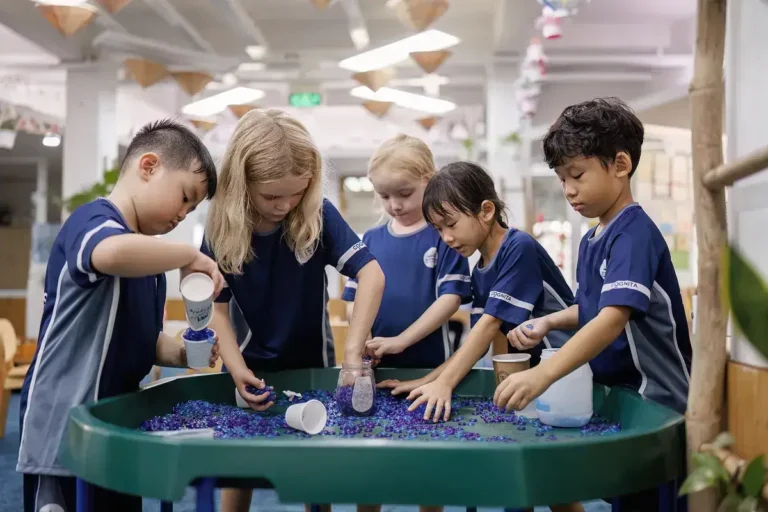
Although personalized learning focuses on individual needs, collaboration remains an essential part of education. Group discussions, peer learning, and collaborative projects provide opportunities for students to share ideas, solve problems together, and learn from different perspectives.
Collaborative learning also strengthens communication, teamwork, and interpersonal skills that are valuable in higher education and future careers.
Balancing individualized instruction with collaborative activities creates a more comprehensive learning experience.
Promoting Critical Thinking and Creativity
Personalized learning encourages students to explore concepts more deeply rather than simply memorizing information. Teachers can present real-world challenges, research activities, and inquiry-based projects that develop critical thinking and creativity.
Students learn to analyze information, evaluate different viewpoints, and develop original solutions to complex problems.
These higher-order thinking skills prepare learners for academic success as well as future workplace demands.
Strengthening Teacher-Student Relationships
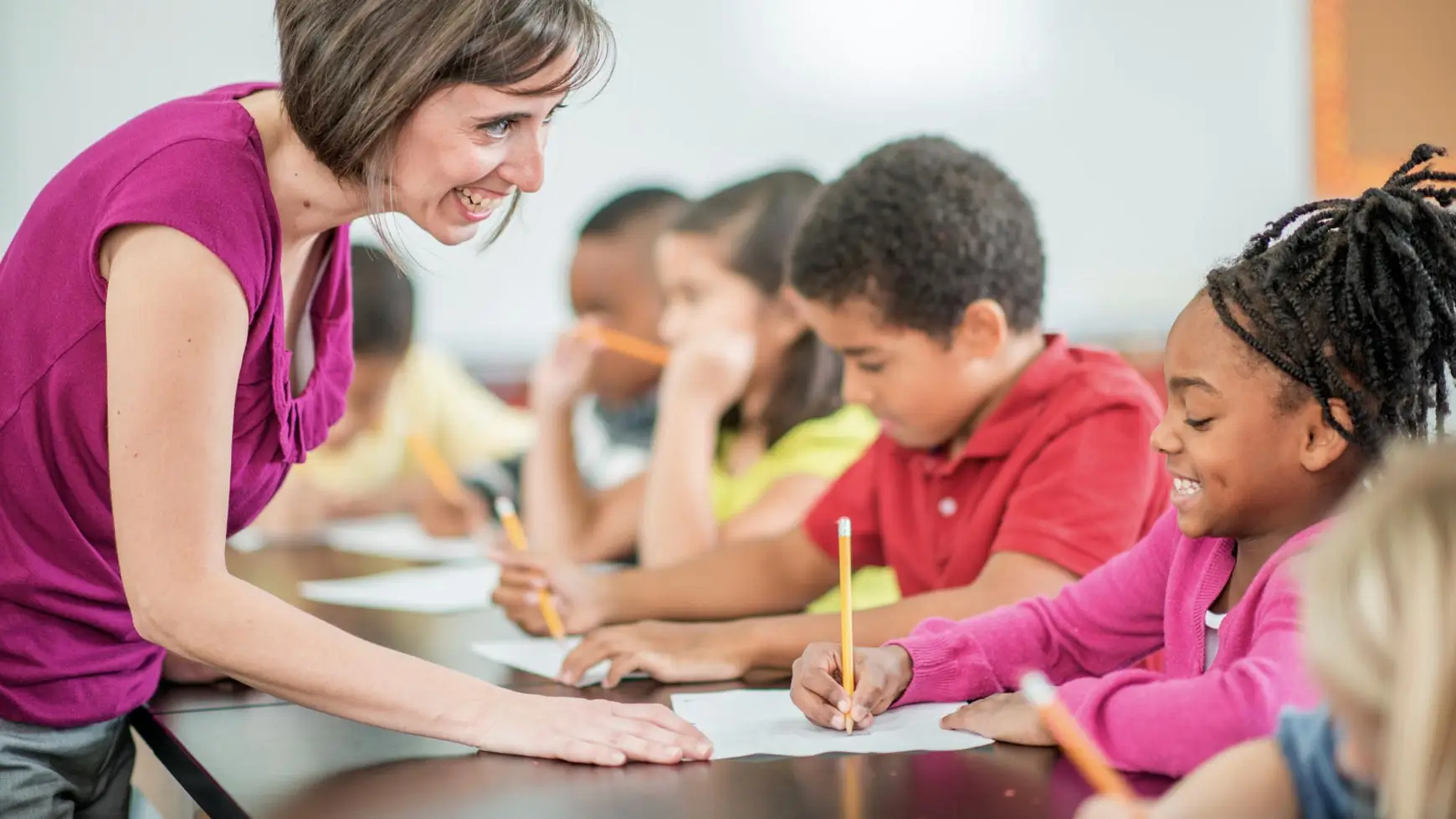
Personalized education depends on strong relationships between teachers and students. Educators who understand their students’ strengths, interests, and challenges can provide more effective guidance and support.
Regular communication, constructive feedback, and individualized encouragement help students remain engaged and confident in their learning.
Positive teacher-student relationships also contribute to a supportive classroom environment where learners feel comfortable asking questions and seeking assistance.
Creating Inclusive Learning Environments
Inclusive classrooms ensure that every student has opportunities to succeed regardless of background, ability, or learning needs. Personalized instruction helps educators address diverse requirements while maintaining high academic expectations.
Flexible teaching methods, differentiated instruction, and accessible learning resources enable all students to participate actively in classroom activities.
An inclusive approach promotes fairness, engagement, and academic achievement for every learner.
Measuring Success Beyond Test Scores
Personalized learning recognizes that student success extends beyond examination results. Educators should evaluate a broad range of outcomes, including problem-solving abilities, creativity, communication skills, collaboration, and personal development.
Portfolios, presentations, practical projects, and reflective assessments provide a more complete understanding of student progress.
Using multiple assessment methods encourages meaningful learning rather than focusing solely on memorization.
Preparing Students for Lifelong Learning
The ability to learn continuously is becoming increasingly important in a rapidly changing world. Personalized learning helps students develop curiosity, adaptability, self-direction, and confidence in their ability to acquire new knowledge.
These qualities prepare learners to succeed in higher education, professional careers, and lifelong personal development.
By encouraging independent thinking and continuous improvement, personalized education equips students to navigate future opportunities and challenges successfully.
Conclusion
Education is most effective when it recognizes the individuality of every learner. Personalized learning creates flexible educational experiences that support different learning styles, encourage active participation, and improve academic achievement.
Personalized learning for better outcomes enables educators to deliver instruction that meets students’ unique needs while promoting critical thinking, creativity, collaboration, and lifelong learning. Through continuous assessment, technology integration, inclusive teaching practices, and strong teacher-student relationships, schools can create learning environments where every student has the opportunity to succeed.
As education continues to evolve, personalized learning will remain an essential approach for improving student outcomes and preparing future-ready learners.
Frequently Asked Questions (FAQs)
1. What is personalized learning?
Personalized learning is a student-centered educational approach that adapts teaching methods, learning experiences, and assessments to meet individual student needs and learning styles.
2. Why is personalized learning important?
It improves student engagement, supports individual learning needs, enhances academic performance, and encourages greater responsibility for learning.
3. How does technology support personalized learning?
Technology enables adaptive learning, digital assessments, personalized learning paths, progress tracking, and access to interactive educational resources.
4. What role do teachers play in personalized learning?
Teachers guide students, monitor progress, provide individualized support, adapt instructional methods, and create engaging learning experiences based on student needs.
5. How does personalized learning improve educational outcomes?
Personalized learning increases motivation, strengthens understanding, develops critical thinking, supports diverse learners, and encourages continuous academic growth.