
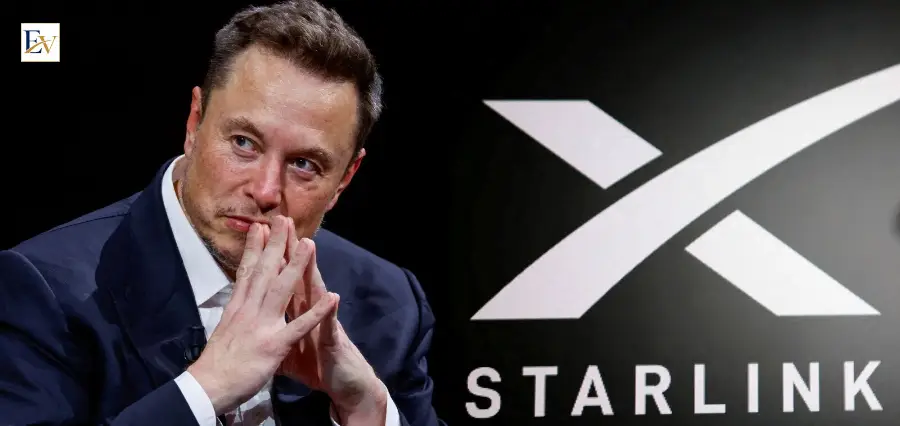
Elon Musk has intensified his criticism of the delays surrounding Starlink’s commercial launch in India, directly questioning the influence of billionaire industrialist Mukesh Ambani and triggering a wider debate over competition, regulatory approvals, and the future of satellite internet services in the country.
The SpaceX founder’s latest remarks mark an escalation in an increasingly public dispute over Starlink’s entry into one of the world’s largest telecommunications markets. After initially accusing unnamed powerful business interests of obstructing the company’s expansion, Musk specifically questioned Ambani’s influence, bringing India’s telecommunications competition into sharper public focus.
Musk argued that Starlink had spent five years complying with Indian government requirements and was already licensed to operate in more than 165 countries. He questioned why the company had still not received the necessary clearances to begin commercial operations in India.
His comments have raised questions about the balance between attracting international technology companies, protecting national interests, and maintaining a competitive domestic telecommunications industry.
Government Rejects Allegations of Unfair Treatment
The Indian government has rejected allegations that the satellite communications approval process is discriminatory. Officials have maintained that the regulatory framework is fair and non-discriminatory, emphasizing that all companies seeking to introduce satellite internet services must satisfy the applicable requirements.
According to the Department of Telecommunications, Starlink, Reliance-backed Jio Satellite Communications, and Bharti Group-supported Eutelsat OneWeb are at broadly the same regulatory stage. Their applications remain subject to security assessments before they can proceed to the next steps required for commercial operations.
The government has stressed that completing these assessments is necessary before an eligible operator can seek the assignment of spectrum required to deliver services.
This clarification challenges the suggestion that Starlink is being singled out for delays. Authorities have maintained that compliance with security conditions is a standard requirement for licensed satellite communications providers rather than an obstacle imposed on one particular company.
The disagreement therefore centres on two different perspectives. Musk has highlighted the time Starlink has spent preparing for the Indian market, while the government has emphasized the need to complete regulatory and security procedures before commercial services can begin.
Rahul Gandhi Enters the Debate
The controversy has also drawn political attention, with Rahul Gandhi, Leader of the Opposition in the Lok Sabha, responding publicly to Musk’s remarks.
Gandhi welcomed Musk to India and made a pointed reference to another influential business figure, adding a political dimension to the dispute. Musk subsequently described the situation as troubling.
The exchange has widened the conversation beyond satellite internet and telecommunications licensing. It has also brought renewed attention to questions about the relationship between major corporations, government decision-making, and competition in strategically important industries.
However, the public exchange does not establish that any business group has influenced the regulatory process. The allegations remain disputed, and the government’s stated position is that the companies are undergoing the required assessments.
For investors and technology businesses watching India’s digital economy, the episode highlights the importance of transparent regulatory procedures and predictable approval timelines.
Starlink Sees an Opportunity to Expand Internet Access
Starlink’s proposed entry into India is closely connected to the country’s efforts to extend reliable internet access to underserved communities. The satellite-based service is designed to provide connectivity in locations where conventional broadband infrastructure and mobile networks may be difficult or expensive to deploy.
Musk has argued that opposition to Starlink ultimately disadvantages people who have limited access to reliable internet services. He maintains that satellite connectivity could help bridge coverage gaps, particularly in remote and rural areas where expanding traditional infrastructure can require substantial investment and time.
India has made considerable progress in expanding digital connectivity, but reaching geographically isolated communities remains a challenge. Satellite broadband could offer an additional option for households, businesses, schools, healthcare facilities, and public institutions operating beyond the reach of established networks.
For small enterprises in remote regions, improved connectivity could support digital payments, online sales, cloud-based business operations, and access to wider markets. Schools and healthcare providers could also benefit from more dependable access to digital resources and communication tools.
Nevertheless, the extent of Starlink’s contribution will depend on its eventual operating permissions, service pricing, infrastructure readiness, and ability to meet India’s regulatory requirements.