
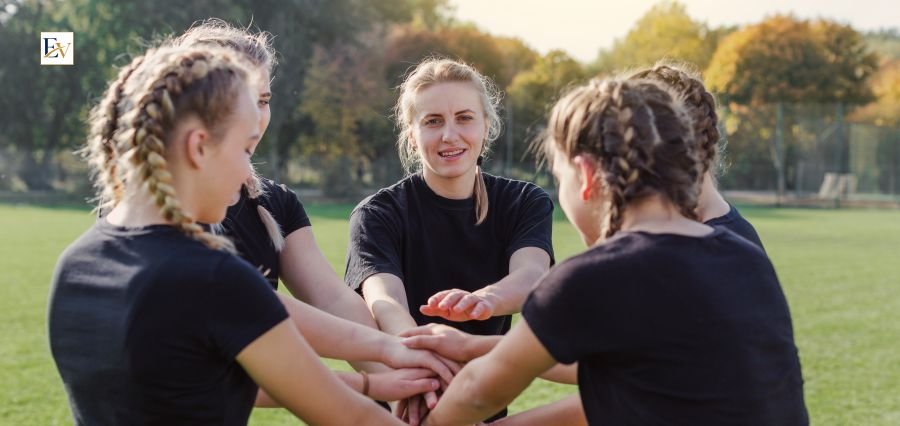
Success in sports is often associated with exceptional talent, physical strength, and technical skills. While these qualities are undoubtedly important, they rarely guarantee victory on their own. Behind every championship-winning team and memorable sporting achievement lies a powerful factor that connects individuals and transforms them into a unified force—teamwork. Whether it is football, basketball, volleyball, cricket, hockey, or relay racing, athletes depend on one another to achieve common goals. The Importance of teamwork in sports extends beyond winning matches, as it shapes character, builds trust, and creates an environment where every player contributes to collective success.
Great teams understand that every individual has a role to play. A star player may score the winning goal or make the decisive play, but that moment is often made possible through the support, planning, and effort of teammates. Sports continue to teach valuable life lessons because they encourage cooperation, communication, and mutual respect among players.
Understanding the Importance of Teamwork in Sports
The Importance of teamwork in sports can be seen in the way athletes work together toward a shared objective. Every player brings unique strengths, abilities, and experiences to the team. When these individual qualities are combined effectively, they create a balanced unit capable of overcoming challenges that no single athlete could manage alone.
Teamwork encourages players to think beyond personal achievements. Instead of focusing only on individual statistics, athletes begin to prioritize the overall success of the team. This shift in mindset strengthens relationships, improves performance, and builds a positive team culture.
Coaches spend countless hours developing strategies, but even the best game plan succeeds only when players communicate effectively and trust one another during competition. Strong teamwork allows athletes to adapt quickly, solve problems together, and remain focused under pressure.
Improved Communication Leads to Better Performance
Communication is one of the strongest pillars of successful teamwork. During a game, athletes constantly exchange information through verbal instructions, eye contact, and body language. Quick and accurate communication helps players make better decisions and avoid costly mistakes.
In fast-paced sports, a single second can determine the outcome of a match. Players who communicate effectively can coordinate movements, anticipate each other’s actions, and respond confidently to changing situations.
Off the field, communication also strengthens relationships within the team. Regular discussions during training sessions help players understand their roles, address challenges, and build stronger connections. This creates an atmosphere where everyone feels respected and motivated to contribute.
Building Trust Among Teammates
Trust forms the backbone of every successful sports team. Athletes perform with greater confidence when they know their teammates will support them during difficult moments. Trust allows players to take calculated risks, knowing others are ready to cover their responsibilities if needed.
Building trust takes time and consistent effort. It develops through regular practice, honest communication, and shared experiences. Teams that trust one another recover more quickly from setbacks because players remain united instead of blaming each other.
This is one of the strongest examples of the Importance of teamwork in sports, as trust enables athletes to remain focused on solutions rather than dwelling on mistakes. A supportive environment encourages players to improve without fear of criticism.
Developing Leadership and Responsibility
Every sports team benefits from strong leadership, but leadership is not limited to the team captain. Effective teams encourage every player to demonstrate responsibility, initiative, and accountability.
Young athletes learn how to motivate teammates, solve conflicts, and lead by example through teamwork. They also understand the importance of fulfilling their individual roles while supporting others whenever needed.
Responsibility becomes a shared commitment rather than an individual burden. When every player contributes fully, the team operates more efficiently and performs at a higher level.
Learning Discipline and Commitment
Successful teamwork requires discipline. Athletes must arrive on time, follow training schedules, respect coaching instructions, and maintain consistent effort throughout the season. Individual commitment directly affects the team’s overall performance.
Players also learn the value of sacrifice. Sometimes an athlete may need to play a defensive role instead of pursuing personal recognition because it benefits the team. Such experiences teach humility and reinforce the belief that collective success matters more than individual glory.
These lessons extend far beyond sports and prepare individuals for professional careers, education, and personal relationships.
Enhancing Problem-Solving Skills
Every sporting event presents unexpected challenges. Teams may face injuries, tactical changes, difficult weather conditions, or strong opponents. Working together enables athletes to adapt quickly and identify effective solutions.
The Importance of teamwork in sports becomes especially clear during high-pressure situations. Players combine their knowledge, experience, and creativity to overcome obstacles instead of relying solely on one individual.
Collaborative decision-making often leads to smarter strategies because multiple perspectives contribute to solving the problem. Teams that embrace this approach become more resilient and confident in challenging situations.
Creating Strong Team Culture
Winning teams are often recognized not only for their skills but also for their positive culture. A healthy team environment encourages respect, inclusivity, accountability, and continuous improvement.
When players celebrate each other’s achievements and support one another during setbacks, they create lasting bonds that strengthen team performance. Positive culture reduces internal conflicts and increases motivation throughout the season.
Coaches play an important role in developing this environment by promoting fairness, open communication, and shared responsibility. Athletes who experience strong team culture often carry these values into future careers and leadership positions.
Teamwork Builds Mental Strength
Sports can be emotionally demanding. Athletes experience pressure, disappointment, injuries, and intense competition throughout their careers. Having supportive teammates makes these challenges easier to manage.
Encouragement from teammates helps players maintain confidence after mistakes and remain motivated during difficult periods. Providing emotional support strengthens resilience while helping individuals feel less isolated.
The Importance of teamwork in sports is reflected in the mental toughness developed through shared experiences. Players learn that success and failure are collective responsibilities, making it easier to recover and continue improving.
Lessons That Extend Beyond the Playing Field
The value of teamwork reaches far beyond sports competitions. Athletes develop communication, leadership, problem-solving, adaptability, and interpersonal skills that benefit them throughout life.
Employers frequently seek individuals who can collaborate effectively within teams. Students who participate in sports often demonstrate improved leadership abilities, stronger discipline, and greater confidence in group projects. Families and communities also benefit from individuals who understand cooperation and mutual respect.
These lifelong skills make sports one of the most effective environments for personal growth and character development.
Conclusion
The Importance of teamwork in sports goes far beyond scoring points or winning championships. It creates stronger athletes, better leaders, and more responsible individuals. Teamwork builds trust, improves communication, strengthens resilience, and encourages every player to contribute toward a common objective. While individual talent may attract attention, lasting success is almost always achieved through collaboration.
As athletes continue to work together, they develop qualities that remain valuable long after their sporting careers end. The Importance of teamwork in sports lies not only in achieving victory but also in shaping confident, disciplined, and cooperative individuals who understand the true meaning of shared success.
Frequently Asked Questions (FAQs)
1. Why is the Importance of teamwork in sports essential for athletes?
The Importance of teamwork in sports lies in helping athletes communicate effectively, trust one another, solve problems together, and achieve shared goals that individual talent alone cannot accomplish.
2. How does teamwork improve sports performance?
Teamwork improves coordination, communication, strategic execution, and decision-making, allowing players to perform more efficiently during training and competition.
3. Can teamwork help develop leadership skills?
Yes. Working within a team teaches athletes responsibility, accountability, communication, and the ability to motivate and support others, all of which are essential leadership qualities.
4. What life skills do athletes gain through teamwork?
Athletes develop collaboration, discipline, resilience, conflict resolution, adaptability, leadership, communication, and time management skills that benefit them throughout their lives.
5. Why is trust important in sports teams?
Trust allows teammates to rely on one another, perform confidently under pressure, recover from setbacks together, and build stronger relationships that contribute to long-term success.