
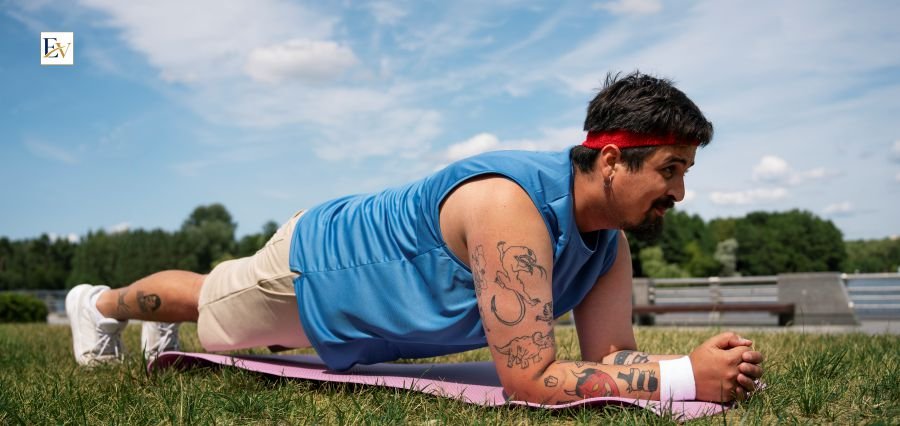
Athletic success is built on more than natural talent. Consistent training, proper recovery, balanced nutrition, and a structured workout plan all contribute to peak performance. Athletes at every level need well-designed fitness routines that improve strength, stamina, speed, flexibility, and long-term physical resilience. Following the Best fitness routines for athletes can help maximize performance while reducing the risk of injuries.
Every sport demands a different combination of physical abilities. A sprinter requires explosive power, while a marathon runner depends on endurance. A football player needs strength and agility, whereas a tennis player must possess exceptional coordination and quick reactions. Despite these differences, every athlete benefits from a balanced fitness routine that develops the body as a whole.
Why the Best Fitness Routines for Athletes Matter
The Best fitness routines for athletes are designed to improve overall athletic performance rather than focusing on a single fitness goal. These routines combine strength training, cardiovascular conditioning, flexibility exercises, mobility work, recovery sessions, and sport-specific drills.
A well-rounded training program allows athletes to build muscle, increase stamina, improve coordination, and enhance mental focus. More importantly, balanced training reduces the chances of overuse injuries by ensuring every muscle group receives appropriate attention.
Athletes who consistently follow structured workout plans often recover faster after competitions, maintain better body composition, and perform at a higher level throughout their season.
Strength Training Builds a Solid Foundation
Strength is one of the most important aspects of athletic development. It enables athletes to generate greater force, improve stability, and perform movements more efficiently.
Compound exercises should form the core of any strength-training routine. Movements such as squats, deadlifts, bench presses, overhead presses, lunges, and pull-ups activate multiple muscle groups simultaneously. These exercises improve overall functional strength that directly translates into better sports performance.
Athletes should gradually increase training intensity through progressive overload while maintaining proper technique. Depending on their sport, most athletes benefit from two to four strength-training sessions each week.
Free weights, resistance bands, kettlebells, and bodyweight exercises all have their place within a comprehensive strength program.
Cardiovascular Conditioning Improves Endurance
Endurance training ensures athletes can perform consistently without experiencing early fatigue. Cardiovascular fitness also improves oxygen delivery to working muscles, allowing better recovery between intense efforts.
Steady-state running, cycling, rowing, and swimming help build aerobic capacity. However, many athletes also incorporate interval training to simulate the changing intensity experienced during competition.
High-Intensity Interval Training (HIIT) combines short bursts of maximum effort with periods of active recovery. This approach enhances both aerobic and anaerobic fitness while improving overall conditioning.
Selecting the appropriate cardio routine depends on the athlete’s sport, training cycle, and competition schedule.
Speed and Agility Training Enhances Athletic Performance
Quick acceleration, rapid direction changes, and explosive movement are valuable in almost every sport. Speed and agility drills help athletes develop these abilities while improving coordination and reaction time.
Popular exercises include ladder drills, cone drills, shuttle runs, sprint intervals, lateral movements, and reaction-based exercises. These workouts strengthen the connection between the brain and muscles, allowing athletes to move more efficiently during competition.
Practicing agility regularly also improves balance and body control, reducing the likelihood of awkward movements that may lead to injuries.
Flexibility and Mobility Should Never Be Ignored
Many athletes focus heavily on strength and conditioning while neglecting flexibility. Limited mobility can restrict movement patterns and increase injury risk.
Dynamic stretching before workouts prepares muscles for movement by increasing blood flow and improving joint mobility. After training sessions, static stretching helps muscles relax while gradually improving flexibility.
Mobility exercises using foam rollers, resistance bands, and controlled joint movements maintain healthy movement patterns and support long-term athletic development.
Yoga and Pilates are also effective additions for improving flexibility, balance, posture, and core stability.
Recovery Is Part of the Best Fitness Routines for Athletes
One of the most overlooked components of the Best fitness routines for athletes is recovery. Training breaks the body down, while recovery allows it to rebuild stronger.
Quality sleep plays the biggest role in muscle repair, hormone regulation, and cognitive function. Athletes should aim for seven to nine hours of sleep every night.
Active recovery sessions such as light cycling, walking, swimming, or gentle stretching help reduce muscle soreness without placing additional stress on the body.
Hydration, balanced nutrition, massage therapy, and proper rest days also contribute significantly to faster recovery and improved performance.
Failing to prioritize recovery often contributes to fatigue, declining athletic performance, and increased injury risk.
Core Training Supports Every Athletic Movement
A strong core provides stability during nearly every athletic movement. It helps transfer force between the upper and lower body while improving posture and balance.
Effective core exercises include planks, side planks, hanging leg raises, Russian twists, bird dogs, medicine ball throws, and cable rotations.
Unlike traditional abdominal workouts focused solely on appearance, functional core training improves athletic performance by enhancing body control during running, jumping, lifting, and changing direction.
Core workouts should be included two to three times each week.
Nutrition Complements Fitness Training
Even the most effective workout routine delivers limited results without proper nutrition. Athletes require balanced meals containing carbohydrates, lean protein, healthy fats, vitamins, and minerals.
Carbohydrates provide energy for training sessions, while protein supports muscle repair and recovery. Healthy fats contribute to hormone production and overall health.
Pre-workout meals should provide sustained energy without causing digestive discomfort. An effective post-workout nutrition plan focuses on replenishing glycogen stores and promoting muscle repair and recovery.
Hydration is equally important, especially during long or intense training sessions.
Consistency Produces Long-Term Results
The Best fitness routines for athletes are not based on occasional intense workouts but on consistent effort over time. Athletes should follow structured training plans that gradually increase intensity while allowing sufficient recovery.
Tracking workouts, setting measurable goals, and periodically evaluating progress help maintain motivation and identify areas requiring improvement.
Working with qualified coaches, trainers, or sports physiotherapists can further optimize performance while ensuring exercises are performed safely.
Most importantly, athletes should adapt their routines based on age, experience, competition schedule, and individual fitness levels.
Conclusion
Choosing the Best fitness routines for athletes involves much more than lifting weights or running long distances. A complete training program integrates strength development, cardiovascular conditioning, agility work, flexibility training, core strengthening, proper recovery, and balanced nutrition. Together, these elements create a strong foundation for sustained athletic performance.
Every athlete has unique goals and physical demands, but maintaining consistency remains the key to success. By following the Best fitness routines for athletes, individuals can improve performance, reduce injury risk, and continue progressing throughout their athletic journey. Investing in a balanced fitness routine today lays the groundwork for achieving long-term excellence in any sport.
Frequently Asked Questions
1. What are the best fitness routines for athletes?
The best routines combine strength training, cardiovascular conditioning, agility drills, flexibility exercises, core workouts, and adequate recovery to improve overall athletic performance.
2. How many days should athletes train each week?
Most athletes train five to six days per week while including at least one full recovery day. The exact schedule depends on the sport, competition calendar, and fitness level.
3. Is strength training necessary for endurance athletes?
Yes. Strength training improves muscular endurance, running economy, stability, and injury prevention, making it beneficial even for endurance-focused athletes.
4. Why is recovery important in athletic training?
Recovery allows muscles to repair, restores energy levels, reduces fatigue, and lowers the risk of overtraining and injuries, making it an essential part of every fitness routine.
5. How can athletes prevent workout-related injuries?
Athletes can reduce injury risk by warming up properly, maintaining correct exercise technique, progressing gradually, staying hydrated, prioritizing recovery, and including flexibility and mobility training in their routine.