
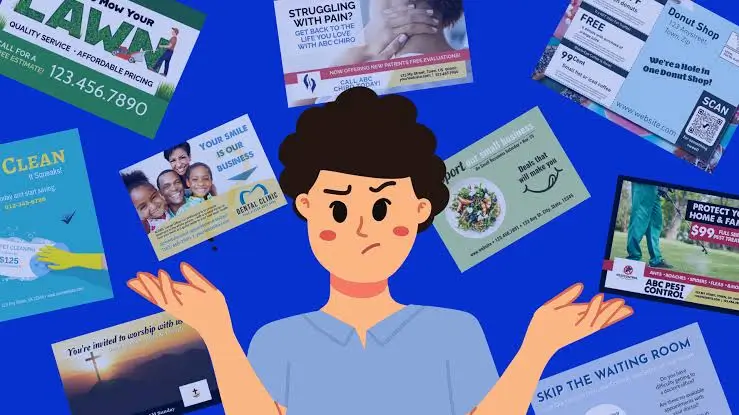
Image Source: https://www.taradel.com
Digital marketing has changed how businesses reach customers, but it has not made print marketing irrelevant. Postcards as direct marketing tools continue to offer businesses a simple way to reach targeted audiences without competing for attention in a crowded inbox or social media feed. When designed well and supported by accurate targeting, postcards can still generate awareness, visits, inquiries, and sales.
Are Postcards Still Effective for Direct Marketing?
Yes, postcards can remain effective when businesses use them as part of a focused direct marketing strategy. Unlike emails that can remain unopened or digital advertisements that disappear with a scroll, postcards provide a physical message that customers can see immediately. Their effectiveness depends on factors such as audience targeting, offer quality, design, timing, and campaign measurement.
Postcards work particularly well for businesses that serve specific geographic areas or customer groups. Local retailers, restaurants, real estate companies, healthcare providers, service businesses, and professional firms can use postcards to communicate directly with potential customers.
Why Do Postcards Still Work?
The strength of postcard marketing comes from its simplicity. A recipient does not need to open an envelope, click a link, or navigate through an advertisement to understand the basic message.
Several factors contribute to postcard marketing effectiveness:
- Physical visibility: A postcard can stand out among digital communications.
- Simple messaging: Limited space encourages businesses to communicate one clear offer.
- Local targeting: Businesses can focus campaigns on specific neighborhoods, ZIP codes, or service areas.
- Easy calls to action: QR codes, websites, phone numbers, and promotional codes can connect print campaigns with digital channels.
- Brand recall: A well-designed physical piece can give customers another opportunity to remember a brand.
These advantages make postcards useful within broader direct mail marketing campaigns.
Postcard Marketing vs. Digital Marketing
Postcard marketing should not necessarily compete with digital marketing. Instead, businesses can combine the two approaches.
A postcard might introduce a promotion and direct customers to a landing page through a QR code. A customer who visits the website can then receive relevant follow-up communications through email or other digital channels.
This combination creates a connected customer journey.
| Postcard Marketing | Digital Marketing |
| Physical and tangible | Primarily screen-based |
| Strong for geographic targeting | Strong for behavioral targeting |
| Can support local awareness | Can reach broader audiences |
| Requires printing and postage | Often easier to scale quickly |
| Can include QR codes and URLs | Offers immediate online interaction |
For many companies, combining channels can be more useful than relying entirely on one form of advertising.
Benefits of Postcard Marketing for Businesses
One of the major benefits of postcard marketing is its straightforward format. Businesses can communicate an offer without requiring customers to read a long message.
Postcards can also support:
- Local customer acquisition
- Store traffic
- Event promotion
- Seasonal campaigns
- New-location announcements
- Service-area awareness
- Promotional offers
- Customer reactivation
- Brand awareness
For smaller businesses, this makes postcard advertising a practical addition to broader print marketing strategies.
How to Create an Effective Postcard Campaign
Successful postcard campaigns begin with targeting rather than design.
1. Define the Audience
Determine who should receive the postcard. Businesses can target customers by location, previous purchasing behavior, demographics, or other relevant characteristics.
2. Create One Clear Offer
Avoid filling the postcard with too many messages. A discount, consultation offer, event invitation, or new-service announcement should have a clear purpose.
3. Make the Call to Action Obvious
Tell recipients exactly what to do next. The call to action could be visiting a website, scanning a QR code, calling a number, visiting a store, or using a promotional code.
4. Use Strong Visual Hierarchy
The headline, offer, supporting information, and call to action should be easy to identify. Good design allows recipients to understand the message within seconds.
5. Track the Campaign
Use unique promotional codes, landing pages, QR codes, or dedicated phone numbers to measure responses. Tracking helps businesses determine whether their direct mail advertising generates meaningful results.
How Effective Is Postcard Advertising?
The answer depends on how the campaign is planned and measured. Postcard marketing effectiveness can vary significantly between industries and audiences. A poorly targeted postcard with a weak offer may produce little response, while a relevant message delivered to a well-defined audience can perform much better.
Businesses should therefore avoid judging postcards only by the number of responses. They should consider the complete customer journey, including website visits, calls, store visits, inquiries, conversions, and repeat purchases.
A useful campaign measurement framework includes:
Reach → Response → Conversion → Revenue → Repeat Business
This approach helps businesses understand the commercial value of a postcard campaign rather than focusing only on immediate response rates.
Postcards as Part of a Direct Marketing Strategy
Postcards as direct marketing tools are most useful when they support a broader customer acquisition plan. Direct marketing strategies can combine postcards with email marketing, search advertising, social media, content marketing, and other channels.
For example, a local business could mail postcards to households within its service area, promote the same offer through social media, and direct recipients to a dedicated landing page. The postcard becomes one part of a larger campaign rather than an isolated marketing activity.
This approach can also help businesses reinforce the same message across multiple customer touchpoints.
When Should Businesses Use Postcards?
Postcards can be particularly useful when a business has a defined audience and a measurable offer.
Common applications include:
- Local business promotions
- Real estate campaigns
- Restaurant offers
- Retail sales
- New business openings
- Seasonal promotions
- Appointment-based services
- Community events
- Customer reactivation campaigns
They can also work well when a company wants to reach customers who may be less responsive to crowded digital channels.
The Future of Postcard Marketing
The future of postcard marketing is unlikely to be about choosing print instead of digital. Instead, businesses can use both channels strategically.
Modern postcards can include QR codes, personalized URLs, promotional codes, and personalized messaging. These features allow traditional direct mail to connect with measurable digital experiences.
As digital advertising becomes increasingly competitive, physical marketing materials can provide another way for brands to capture attention. The key is not simply sending more postcards. It is sending the right message to the right audience at the right time.
Conclusion
Postcards as direct marketing tools remain relevant because they offer businesses a physical and targeted way to communicate with customers. Their success depends on audience selection, compelling offers, clear design, strong calls to action, and reliable campaign tracking.
Postcard marketing should not replace digital channels. Instead, it can complement them. When businesses combine direct mail advertising with digital campaigns, measurable landing pages, QR codes, and customer follow-up, postcards can become a useful part of a modern direct marketing strategy.
For businesses with a clearly defined audience and a strong offer, postcard marketing is not simply an old advertising method. It can still be a practical channel for reaching customers and supporting measurable business growth.



1 thought on “Postcards as Direct Marketing Tools: Still Effective as Direct Marketing Tools?”