
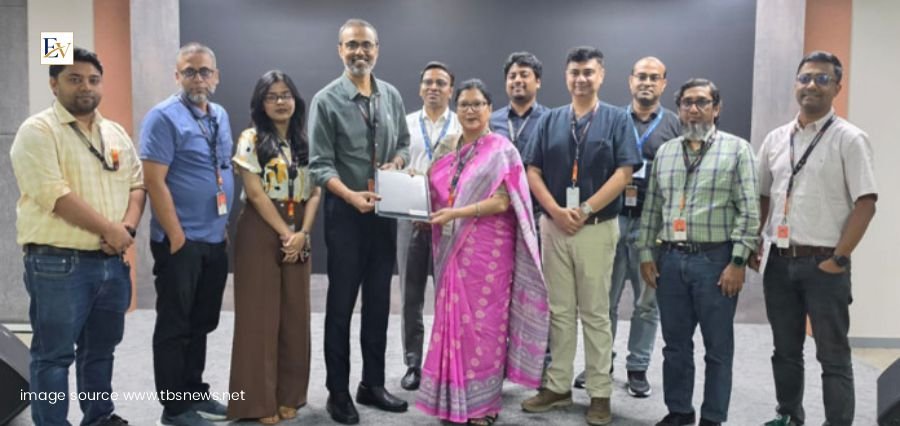
Banglalink has partnered with Winrock International to create sustainable livelihood opportunities for survivors of human trafficking in Bangladesh through the Ashshash project. The collaboration aims to strengthen digital and financial inclusion by enabling participants to earn income using Banglalink’s digital platform while building practical skills for long-term economic independence. Supported by the Embassy of Switzerland in Bangladesh, the initiative reflects a growing focus on technology-driven social empowerment and community resilience.
The partnership was formalized through a memorandum of understanding signed at Banglalink’s headquarters in Dhaka. Under the agreement, survivors participating in the Ashshash programme will receive access to Banglalink Power, a digital platform that allows individuals to generate income by offering mobile recharge and related digital services through their smartphones.
Digital Inclusion Supports Economic Recovery
Banglalink Power is designed to help individuals, including youth, women, micro-entrepreneurs, and vulnerable communities, establish income-generating activities without requiring significant upfront investment. Through the new partnership, trafficking survivors will receive training and support to use the platform effectively while developing digital and financial skills that can improve their long-term employment prospects.
The platform incorporates digital onboarding, know-your-customer verification, real-time commission tracking, and transparent reward mechanisms, allowing participants to manage their activities efficiently through mobile technology. By combining digital services with entrepreneurship opportunities, the initiative seeks to provide survivors with practical tools for rebuilding their lives and achieving greater financial stability.
The Ashshash project already supports survivors across several trafficking-prone districts in Bangladesh by providing psychosocial assistance, skills development, livelihood opportunities, and community-based reintegration programmes. The addition of digital earning opportunities further expands its support framework by creating pathways toward sustainable economic independence.
Corporate Partnerships Expand Social Impact
The collaboration highlights the growing role of private sector organizations in addressing complex social challenges through technology and innovation. Rather than limiting corporate social responsibility to financial contributions, companies are increasingly integrating their core digital capabilities into programmes that generate measurable social and economic outcomes.
For Banglalink, the partnership aligns with its broader commitment to digital inclusion and community empowerment. By extending the reach of its digital distribution ecosystem, the company aims to create accessible earning opportunities while supporting individuals who face significant barriers to economic participation. At the same time, the initiative contributes to broader efforts promoting responsible technology use and financial inclusion among underserved communities.
Development experts increasingly recognize that sustainable reintegration for trafficking survivors requires more than immediate assistance. Long-term recovery depends on stable income opportunities, practical skills, financial literacy, and community support that enable individuals to rebuild their lives with confidence and independence.
Technology Creates New Pathways for Inclusive Growth
Digital platforms are becoming important tools for expanding economic participation, particularly among vulnerable populations. Mobile technology, digital payments, and online service platforms have created flexible opportunities for entrepreneurship that require relatively low barriers to entry while offering scalable income potential.
Collaborative initiatives between businesses, nonprofit organizations, and development partners are demonstrating how technology can support broader social and economic development goals. By combining digital innovation with targeted skills training and community support, such programmes help address both immediate livelihood needs and long-term resilience.
As digital inclusion becomes an increasingly important component of sustainable development, partnerships like this illustrate how technology can contribute to meaningful social change. By empowering trafficking survivors with practical digital skills and accessible earning opportunities, the initiative represents a model for using innovation to promote economic recovery, financial independence, and inclusive growth across vulnerable communities.
Read Also: Gulfstream G800 Completes Landmark Flight Powered by 100% Sustainable Aviation Fuel